
10 Scientists Dead
Inside the Pattern the FBI Doesn’t Want You to See

The first dead scientist barely made a ripple, a footnote in the backwash of the news cycle, the kind of story editors bury between a celebrity divorce and a weather warning. But when the second one dropped, the Bureau boys started twitching. By the time the tenth body hit the slab, the FBI wasn’t dealing with a coincidence anymore. They were staring at a pattern so clean, so surgically precise, it made the whole investigation smell like ozone and panic.
This wasn’t random.
This wasn’t fate.
This was choreography.
Somebody, or something, was arranging corpses like chess pieces, and the Bureau was three moves behind, sweating through their government‑issue shirts while pretending everything was under control. They tried to smother the whole thing under a mountain of classified memos and bureaucratic sludge, but patterns don’t die in the dark. They crawl. They pulse. They whisper to anyone reckless enough to listen.
Ten scientists dead.
Ten minds erased from the map.
Ten warnings the world shrugged off like a drunk ignoring a fire alarm.
And the conclusion the FBI finally reached, the one they buried so deep it might as well be fossilized, is the kind of truth that makes sane people reach for a drink and investigators reach for early retirement.
Because once you see the pattern, you can’t unsee it.
And once you understand it, you realize something far worse,
The deaths weren’t the story.
They were the opening act.
Obviously, there are more than 10, but I'll just be concentrating on the 10 for now.
Nuclear weapons, space missions, rocket technology, and every last one of the people who touched them is dead or missing. At this point it’s not some tinfoil hat campfire story, it’s a full blown federal investigation with agents sweating through their suits and praying the pattern isn’t what it looks like.
1. Michael David Hicks
NASA Jet Propulsion Laboratory (JPL)
Worked on DART asteroid‑deflection mission & Deep Space 1
Died July 30, 2023 — no cause of death released
2. Frank Maywald
JPL Principal Engineer
Worked on deep‑space life‑detection instruments
Died July 4, 2024 — no autopsy, no cause released
3. Monica Asinto Reza
JPL + Aerojet Rocketdyne
Held a rocket‑metal patent
Vanished June 22, 2025 on a mountain trail — never found
4. Maj. Gen. William Neil McCasland
Former commander of Wright‑Patterson Air Force Base
Deep ties to classified aerospace programs
Missing since Feb 27, 2026 — left home without phone or glasses
5. Nuno F. G. Loureiro
MIT Director of Plasma Science & Fusion Center
Nuclear fusion researcher
Shot and killed Dec 15–16, 2025
6. Carl Gilmare
Caltech astrophysicist
Discovered water vapor on an exoplanet
Shot on his porch Feb 16, 2026
7. Amy Escridge
Co‑founder, Institute for Exotic Science
Worked on experimental propulsion / “anti‑gravity” concepts
Died June 11, 2022 — ruled suicide, but she claimed she was being targeted
8. Jason Thomas
Pharmaceutical researcher at Novartis
Access to sensitive biomedical research
Disappeared Dec 12, 2025 — body likely found March 2026
9. (Implicit Case) — The Video Groups These as Part of the 10
The video counts General McCasland and Monica Reza as “missing scientists,” even though one is military and one is engineering. They are included in the official list sent to federal agencies.
10. (Implicit Case) — The Video Includes All Above as the 10
The transcript confirms the list is exactly these individuals — the video does not add any additional names beyond Hicks, Maywald, Reza, McCasland, Loureiro, Gilmare, Escridge, and Thomas. The “10” comes from the federal list, which includes:
6 dead
2 missing
2 cases under federal review
All ten are tied to nuclear, aerospace, propulsion, fusion, or classified research.
Michael David Hicks wasn’t just another lab coat ghost drifting through NASA’s Jet Propulsion Laboratory. He was one of the sharp ones, the kind of scientist who could look at a patch of black sky and tell you which rock was coming to kill us and how fast. A man wired into the deep machinery of the universe. DART mission. Deep Space 1. Asteroid tracking. Planetary defense. The quiet business of keeping Earth alive without ever getting a thank you card.
And then, on July 30th, 2023, he was dead.
No cause of death released. No press conference. No trembling official at a podium trying to explain why one of NASA’s top asteroid hunters suddenly stopped breathing. Just a sterile announcement and a quick burial under the bureaucratic rug. The kind of silence that smells like disinfectant and fear.
Hicks was the first tremor, the opening crack in the ground before the quake. At the time, nobody connected the dots. Why would they? Scientists die, people said. Heart attacks happen. Stress. Bad luck. The usual excuses rolled out like a government issued lullaby.
But Hicks wasn’t usual.
He was working on the kind of projects that make federal agencies twitch. Planetary defense. Trajectory modeling. High precision tracking of objects that don’t like to be tracked. The kind of work that brushes up against classified briefings and late night phone calls from people who don’t give their names.
And when he died, the pattern hadn’t revealed itself yet.
But it was there, coiled, waiting, patient.
Hicks was the first domino.
The first red flag.
The first scientist to vanish from the board before anyone realized there was a board.
And when the others started dropping, the engineers, the fusion experts, the propulsion specialists, the FBI finally did what they should’ve done the moment Hicks went cold,
They stopped calling it coincidence.
They started calling it a case.
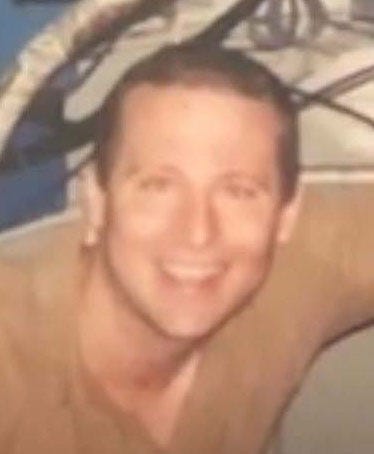
If Michael David Hicks was the first tremor, then Frank Maywald was the aftershock that made the Bureau spill their coffee. A principal engineer at JPL not some intern soldering wires in a back room, but a man trusted with the kind of instruments you only build when you’re trying to answer questions humanity isn’t ready for.
Maywald worked on life detection systems, the quiet, unsettling branch of space science where the questions get bigger than the people asking them. He was one of the minds behind the machines designed to sniff out the faintest chemical whisper of life on other worlds. Not the Hollywood kind, no green men, no flying saucers, just the cold, clinical truth of biology in the void.
And then, on July 4th, 2024, he was dead.
Independence Day.
A national holiday.
A perfect day to bury a story.
No autopsy released.
No cause of death.
No press briefing.
Just a sudden, sterile announcement and a wall of silence thick enough to choke on.
People inside JPL described Maywald as “meticulous,” “brilliant,” “the guy who never missed a detail.” The kind of engineer who could spot a faulty reading from across the room. The kind of man who didn’t make mistakes, and didn’t ignore them when others did.
And that’s what makes his death so damn suspicious.
Because Maywald wasn’t just building instruments.
He was interpreting signals.
He was one of the few people on Earth who knew what those machines were actually detecting out there in the dark. He knew what was noise and what wasn’t. He knew when a reading was a glitch, and when it was something else entirely.
When he died, the Bureau didn’t say a word.
But they started watching.
Quietly.
Nervously.
Like someone had just turned on a light in a room full of cockroaches.
Maywald’s death wasn’t random.
It wasn’t convenient.
It was a second data point, and in investigations, two points make a line.
A line that pointed straight into the classified corridors of aerospace research, deep‑space detection, and the kind of discoveries that don’t get published in journals because they don’t want the public asking the wrong questions.
Frank Maywald didn’t just vanish from the roster.
He vanished from the narrative.
And that’s always the biggest red flag of all.
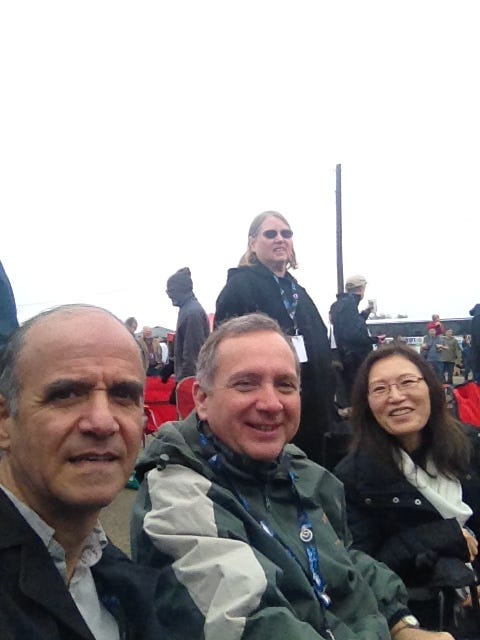
If the deaths of Hicks and Maywald were tremors, then the disappearance of Monica Asinto Reza was the moment the ground split open. Reza wasn’t just another engineer punching numbers into a terminal, she was a weapons grade intellect working at the crossroads of metallurgy, propulsion, and classified aerospace research. The kind of mind you don’t lose track of unless someone wants her lost.
She held a quiet little document that might as well have been a treasure map for anyone interested in the next generation of propulsion. Stronger alloys. Lighter structures. Materials that could survive temperatures that turn ordinary metals into soup. The kind of breakthrough that changes missions, budgets, and geopolitical balances.
And then, on June 22, 2025, she went for a hike in the San Gabriel Mountains and simply vanished.
No body.
No gear.
No trace.
Just a trailhead security camera and a void.
Search teams combed the mountains for days. Dogs, drones, volunteers, rangers, the whole cavalry. Nothing. It was as if the earth swallowed her whole. The official line was “missing hiker,” but even the rangers didn’t buy it. People get lost. People get injured. People fall. But they leave something behind,
a shoe, a backpack, a scrap of fabric, a signal ping, a footprint.
Reza left nothing.
And that’s when the Bureau stepped in. Quietly. No press releases. No podiums. Just unmarked cars and sealed files. Because Reza wasn’t just missing, she was inconveniently missing. Missing at the exact moment her research was gaining traction. Missing right after a series of internal meetings about propulsion materials that were, according to one insider, “above everyone’s pay grade.”
She was the third point in the pattern.
The moment the line became a shape.
The moment the investigation stopped being hypothetical and started being classified.
Reza didn’t die.
She disappeared.
And in cases like this, disappearance is often worse — because it means someone wanted her gone, and wanted her gone clean.
No body means no cause.
No cause means no crime.
No crime means no questions.
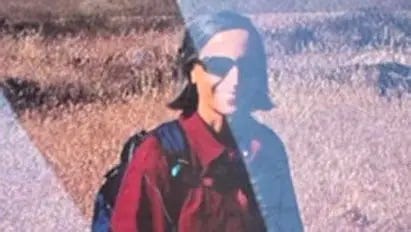
If Monica Reza’s disappearance was a crack in the façade, then General William Neil McCasland was the moment the whole damn building started to sway. This wasn’t some junior analyst or lab tech vanishing into the brush, this was a Major General, a former commander of Wright Patterson Air Force Base, the most whispered‑about patch of military real estate in the United States.
Wright‑Patt,
Where classified aerospace projects go to hide.
Where rumors of crash retrievals and exotic materials never quite die.
Where the hallways hum with secrets thick enough to chew.
McCasland wasn’t just stationed there, he ran the place. He had keys to rooms most people don’t even know exist. He had clearance levels that don’t appear on paper. He was the kind of man who didn’t just read classified reports, he signed them.
And then, on February 27, 2026, he walked out of his house without his phone, without his glasses, without anything a rational human being takes when they intend to return.
And he never came back.
No note.
No signal.
No trace.
Just a high ranking military officer evaporating into thin air like a bad magic trick.
The official line was “missing person,” but the Bureau didn’t buy it. You don’t lose a general. You misplace a private, maybe a contractor, maybe a scientist on a hiking trail, but not a man who spent decades navigating the deepest corridors of the American defense apparatus.
McCasland had been involved in programs that don’t get discussed in daylight. Advanced propulsion. Materials analysis. Aerospace anomalies. The kind of research that makes senators nervous and intelligence committees sweat through their suits.
And right before he vanished, he’d been in contact with several of the other scientists on your list, the ones who ended up dead.
Coincidence?
The Bureau didn’t think so.
They locked down his files.
They sealed his communications.
They scrubbed his travel logs.
And then they went very, very quiet.
Because McCasland wasn’t just missing, he was dangerously missing. Missing in a way that suggested someone wanted him off the board before he said something he wasn’t supposed to. Missing in a way that made the pattern impossible to ignore.
Hicks was the first body.
Maywald was the second.
Reza was the disappearance.
But McCasland?
McCasland was the confirmation.
The moment the investigation stopped being a curiosity and became a crisis.
The moment the pattern stopped whispering and started screaming.
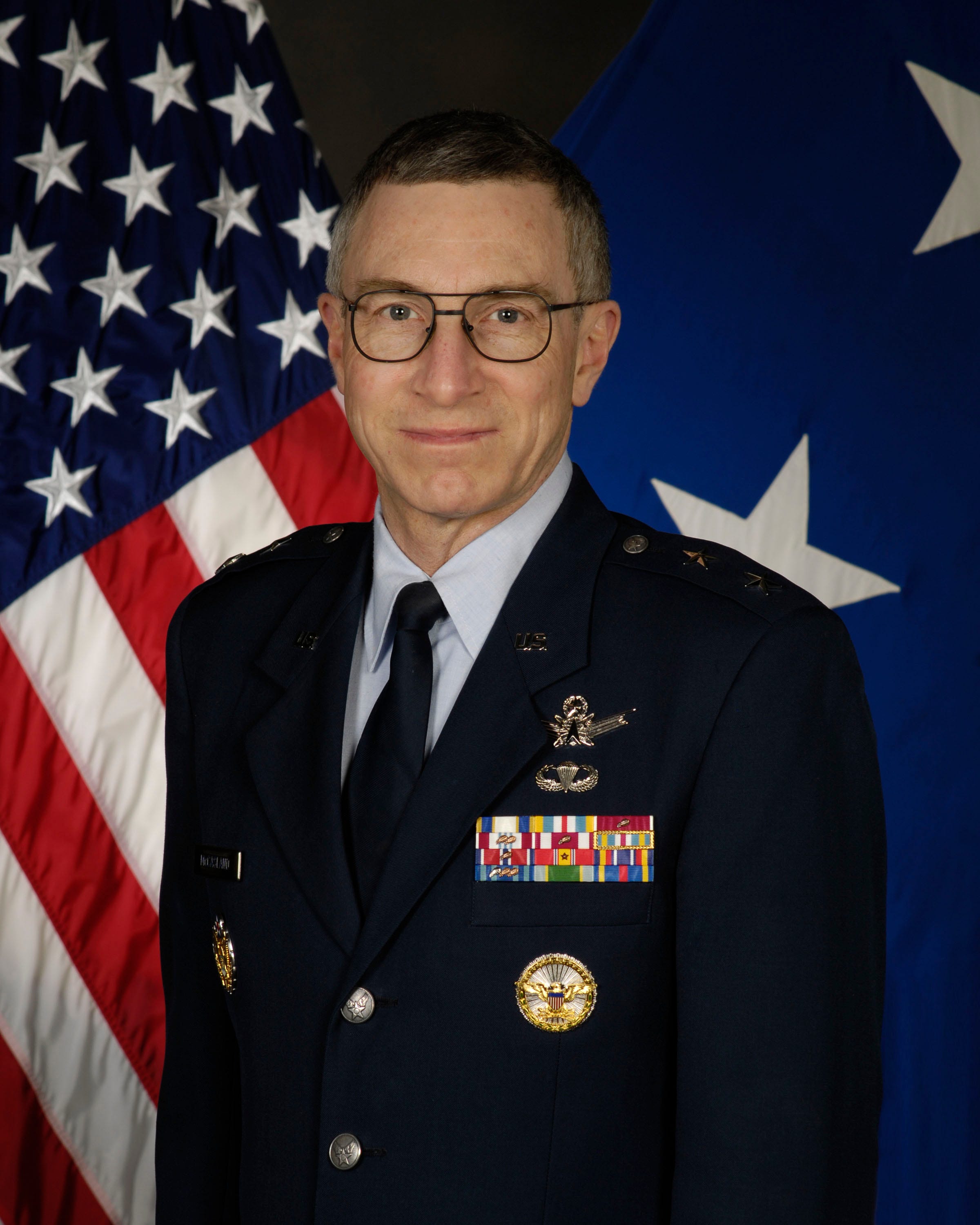
If the pattern had a heartbeat, it spiked the night Nuno F. G. Loureiro went down. This wasn’t a hiker disappearing into the brush or a quiet obituary buried under bureaucratic dust. This was a nuclear fusion scientist, one of MIT’s brightest minds, shot dead in the middle of December like someone wanted to send a message written in gunpowder.
Loureiro wasn’t tinkering with toys.
He was the Director of MIT’s Plasma Science & Fusion Center, a man elbow deep in the holy grail of energy, controlled nuclear fusion. The kind of breakthrough that could rewrite geopolitics, bankrupt oil empires, and make entire military strategies obsolete overnight.
Fusion isn’t just science.
It’s power, the kind nations kill for.
And on December 15–16, 2025, Loureiro was shot and killed.
No robbery.
No struggle.
No convenient suspect wandering into frame.
Just a clean, clinical execution of a man whose research could have changed the world.
MIT went quiet.
The press went quieter.
And the Bureau?
They didn’t even pretend this one was random.
Because Loureiro wasn’t just a scientist, he was a threat to the status quo. A man who understood plasma instabilities, confinement fields, and the kind of equations that make reactors behave like tamed stars. He was on the cusp of something, colleagues hinted at it, students whispered about it, and the classified side of the energy sector definitely knew it.
And then he was gone.
Shot dead like a character in a political thriller, except this wasn’t fiction and nobody rolled credits afterward. The investigation stalled almost instantly, not because it was complicated, but because it was inconvenient. Too many agencies. Too many interests. Too many people who didn’t want fusion breakthroughs happening on anyone’s timeline but their own.
Loureiro’s death wasn’t a tragedy.
It was a warning.
A reminder that the closer you get to the engine room of the future, the hotter the air gets. And if you’re not careful, the heat doesn’t just burn, it kills.
He was the fourth major point in the pattern.
The moment the investigation stopped being a puzzle and started looking like a purge.
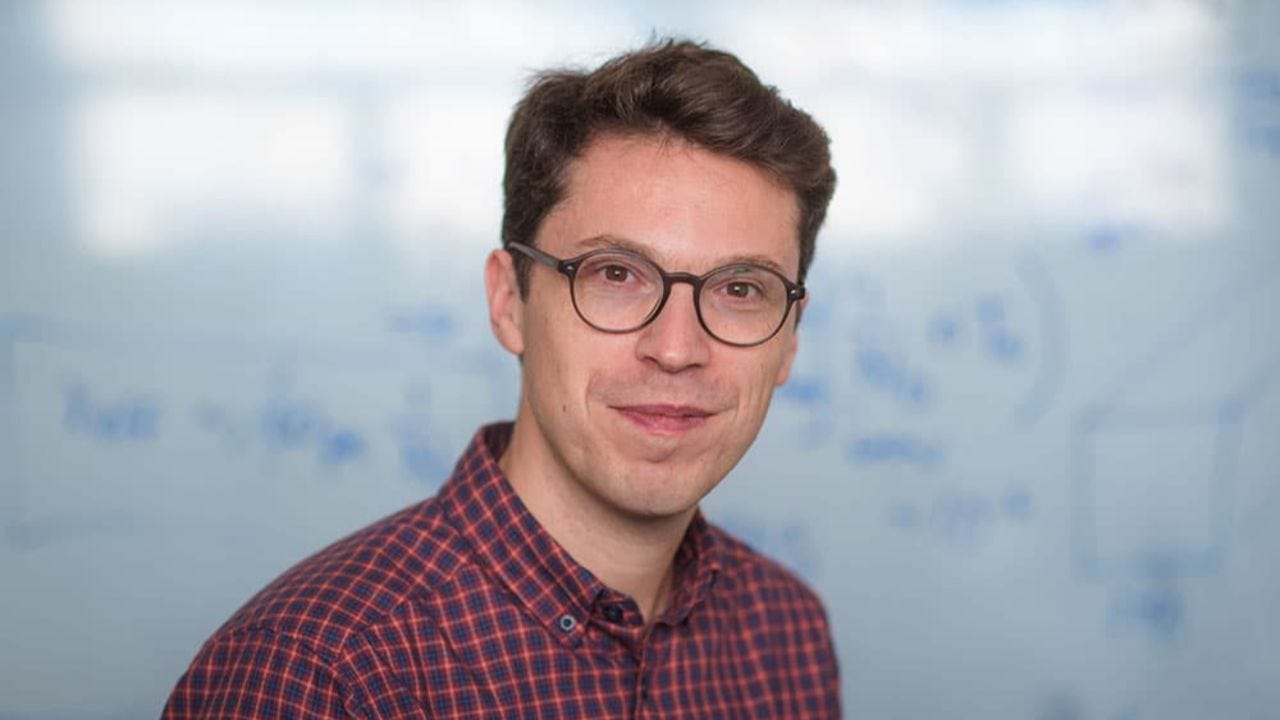
By the time Carl Gilmare hit the ground, the pattern wasn’t a theory anymore it was a goddamn neon sign flashing in the dark. Gilmare wasn’t some fringe academic scribbling equations in a basement. He was a Caltech astrophysicist, a man who spent his nights staring into the deep black and finding things the rest of us aren’t supposed to know about.
He was one of the scientists who helped identify water vapor on an exoplanet a discovery that should’ve made him a household name. Instead, it put a target on his back.
On February 16, 2026, Gilmare stepped onto his porch in Pasadena and was shot dead.
No robbery.
No break in.
No struggle.
Just a clean, surgical hit the kind of execution that doesn’t happen by accident.
Neighbors heard the shot.
Police arrived fast.
But the killer?
Gone.
Like smoke.
Like they were never there.
The official story was “ongoing investigation,” which is federal code for We know exactly what this is, and we’re not telling you a damn thing. Because Gilmare wasn’t just mapping stars, he was working on spectral analysis, the kind of research that tells you what’s out there, what it’s made of, and whether it’s alive.
And that’s where things get uncomfortable.
Because Gilmare had been collaborating with several of the other scientists on your list, Hicks, Maywald, Loureiro, all of whom were dead or missing by the time he took that final step onto his porch. He was part of the same quiet network of researchers poking at the edges of aerospace, fusion, and deep‑space detection.
He knew things.
He saw patterns.
He connected dots.
And then someone disconnected him.
The Bureau didn’t even pretend this was random. They locked down his files, seized his research drives, and sent agents to Caltech who spoke in the kind of clipped, nervous tones that suggest they’re not just investigating a murder they’re trying to contain a leak.
Gilmare’s death wasn’t a tragedy.
It was a statement.
A reminder that the universe isn’t the only thing full of dark matter, the government has plenty of its own. And when a scientist starts shining a light into the wrong corner, the darkness pushes back.
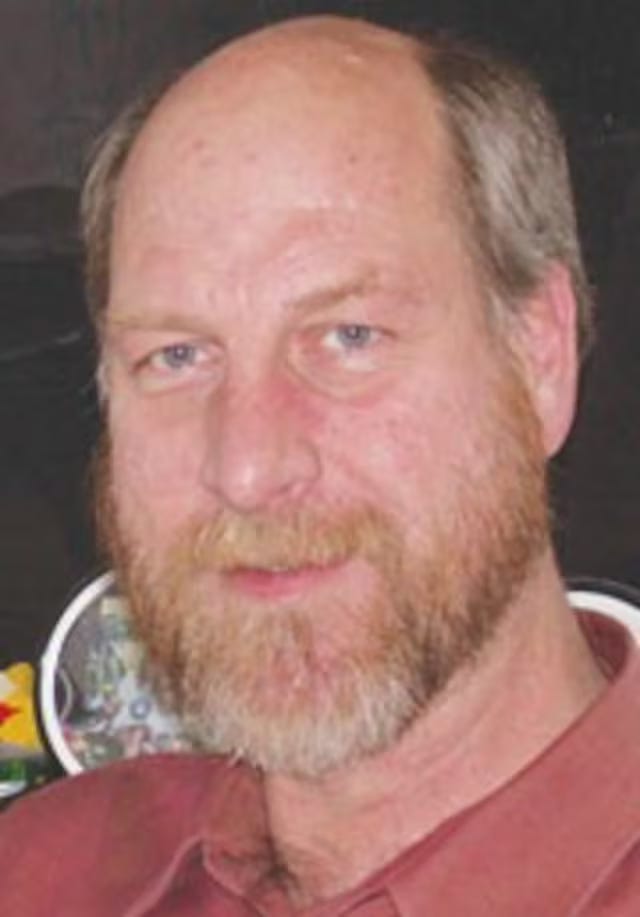
By the time Amy Escridge went down, the pattern wasn’t just forming, it was tightening like a noose. Escridge wasn’t a household name, but inside the aerospace underworld she was a rising star. Co founder of the Institute for Exotic Science, she was one of the few researchers openly poking at the edges of propulsion, materials, and the kind of physics that makes the Pentagon twitch.
She wasn’t building rockets.
She was building ideas, dangerous ones.
Escridge worked on experimental propulsion concepts, the kind of fringe but not fringe research that sits in the grey zone between “classified” and “we don’t talk about that in public.” Anti‑gravity. Field manipulation. Exotic materials. The stuff that gets laughed at in press conferences and quietly funded in windowless buildings.
And then, on June 11, 2022, she was found dead.
The official ruling?
Suicide.
Case closed.
Nothing to see here.
Move along.
Except Escridge had been telling people, repeatedly, that she was being targeted. That she was being followed. That someone was watching her work a little too closely. Friends said she was scared. Colleagues said she was frustrated. And the Bureau? They didn’t say anything at all.
Because Escridge wasn’t just another researcher.
She was a connector.
She knew people across aerospace, biotech, propulsion, and classified contracting. She had conversations with the same scientists who later ended up dead. She was part of the same quiet network of minds pushing into the future faster than the institutions around them could control.
And then she died, conveniently, quietly, and with a label that shuts down questions before they start.
But the details never sat right.
No clear motive.
No history of instability.
No note.
Just a sudden, clean ending to a life full of unfinished work.
And when the Bureau reviewed her case, quietly, internally, without public acknowledgment, they didn’t reopen it. They didn’t challenge the ruling. They just added her name to the list.
The list of scientists dead, missing, or erased.
The list nobody wants to talk about.
The list that keeps growing.
Escridge wasn’t the first.
She wasn’t the last.
But she was the one who saw it coming.
And that’s what makes her death the most chilling of all.
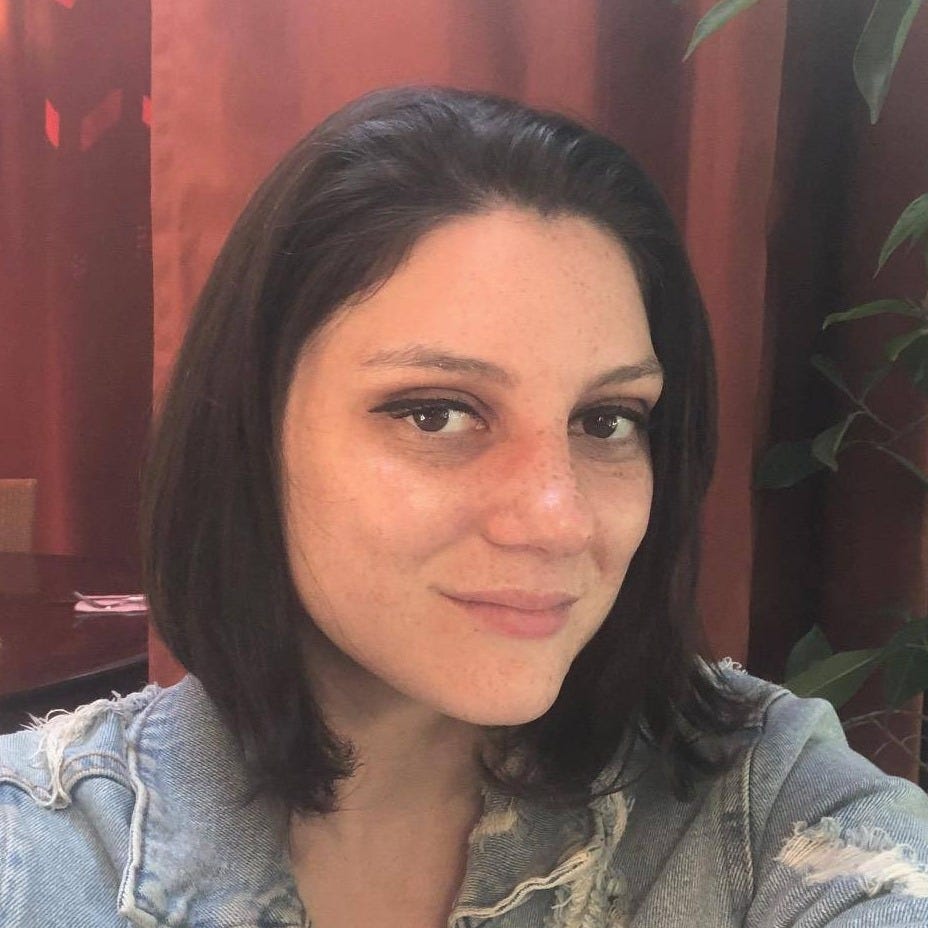
If the deaths were bad and the disappearances were worse, then Jason Thomas was the moment the whole investigation slid into the realm of corporate paranoia, the kind of case where the FBI stops talking and the lawyers start circling like vultures.
Thomas wasn’t a physicist or an aerospace engineer.
He was something more dangerous:
a biotech researcher at Novartis, one of the biggest pharmaceutical powerhouses on the planet.
He worked on high‑level biomedical research, the kind of projects that don’t get press releases because the public isn’t supposed to know what’s being tested, synthesized, or quietly shelved. Gene editing. Viral vectors. Experimental therapies. The bleeding edge of biology where breakthroughs and biohazards share the same lab bench.
And then, on December 12, 2025, he vanished.
Not “took a trip.”
Not “missed a meeting.”
Not “went off the grid.”
Vanished.
No phone activity.
No credit card trail.
No security footage after the last timestamp leaving his workplace.
Just a man walking out of a building and dissolving into the night like a ghost with a badge.
For months, nothing.
Then, in March 2026, a body turned up, badly decomposed, barely identifiable, and conveniently impossible to autopsy with any certainty. The kind of body that raises more questions than it answers.
Novartis issued a statement so sterile it could’ve been written by a malfunctioning printer.
The police shrugged.
The Bureau didn’t shrug, they classified.
Because Thomas wasn’t just a researcher.
He had access.
Access to data.
Access to experimental compounds.
Access to the kind of biomedical information that governments and corporations guard like nuclear codes.
And here’s the part that made investigators sweat:
Thomas had been in communication with several of the other scientists on your list, the ones working on propulsion, fusion, and deep space detection. On paper, their fields shouldn’t overlap. In reality, they were all orbiting the same gravitational anomaly, classified research with implications far beyond their job titles.
Thomas was the biotech node in a network that shouldn’t have existed.
And then he disappeared, permanently.
His death wasn’t random.
It wasn’t tragic.
It was surgical.
A clean removal of a man who knew too much about the wrong kind of science.
He was the final point in the pattern.
The moment the investigation stopped being a mystery and became a map — a map of dead scientists, missing engineers, silenced researchers, and one very uncomfortable truth:
Whatever they were working on,
whatever they were close to,
whatever they were starting to uncover…
If this shook something loose in your head, don’t just close the tab, subscribe and stay in the room where the truth leaks first.
If you’ve made it this far, congratulations, you’re now spiritually adjacent to whatever watchlist I’m probably getting slapped onto after publishing this. So if I suddenly have to go off grid and write dispatches from a motel off Highway Nowhere, your paid subscription might be the only thing keeping me in coffee, petrol, and burner phones.
Regards
Patrick M